
Property investment & development FAQ
The questions we hear most on strategy calls — answered in plain English. Can't find yours? Book a free call and ask us directly.
Strategy & investment
Working out the right path before you buy.
Are you a buyers agent, a mortgage broker, or both?
+
 ▶ Watch Neil answer this
Both, working together. Prosperitii is a buyers agency, and through our credit representatives we also provide mortgage advisory and loan structuring. Having property and finance under one roof means your strategy, your purchase and your lending are designed to work together — not pulling in different directions.
What property investment strategy is right for me?
+
 ▶ Watch Neil answer this
It depends on your goals, income, equity and appetite for a project. Broadly, our clients choose between two paths: buy a cash flow property with development potential and hold it (cash flow today, develop later), or buy a site where value can be created immediately through subdivision, a second dwelling or renovation (manufacture equity now). The free strategy call exists to work out which fits you.
Should I buy for capital growth or cash flow?
+
 ▶ Watch Neil answer this
With the right site, you don't have to choose. Our approach targets properties in growth locations that can also carry two incomes — for example a house plus a granny flat — so the property pays its own way while the land appreciates. Chasing growth alone can strangle your borrowing power; chasing yield alone can park you in stagnant markets.
How many properties do I need to retire comfortably?
+
 ▶ Watch Neil answer this
Fewer than most people think — it's about net income, not the number of doors. A small portfolio of well-selected dual-income properties can outperform a long list of negatively geared ones. We'll model your target retirement income on a strategy call and show the pathway to it.
Will a granny flat make my investment property positively geared?
+
Often, yes. A second dwelling adds a second rental income against largely the same land cost, which can flip a neutral or negative property into positive territory. The result depends on build cost, rents in the area and your loan structure — which is exactly what our feasibility process checks before you commit.
Should I turn my old home into an investment property, or sell it?
+
It comes down to the numbers: the property's yield and growth prospects, your usable equity, capital gains tax position, and whether that money would work harder in a better site. Sometimes holding is right; sometimes selling and redeploying into a dual-income property beats it comfortably. We can run both scenarios with you.
Dual occupancy & subdivision
What the planning rules actually allow.
What is the difference between a granny flat and dual occupancy?
+
 ▶ Watch Neil answer this
A granny flat (secondary dwelling) is a smaller second home on the same title as the main house — usually capped in size and unable to be sold separately. A dual occupancy is two full dwellings on one lot, which in many cases can be subdivided so each home sits on its own title. Dual occ generally costs more to deliver but creates more value.
Can my dual occupancy be subdivided?
+
 ▶ Watch Neil answer this
In many locations, yes — but it depends on the zone, lot size, frontage and local council controls. Subdivision is where much of the equity uplift comes from, so we check subdivision potential as part of feasibility before you buy, not after.
What is the minimum land size for a dual occupancy and subdivision in NSW?
+
 ▶ Watch Neil answer this
Under the NSW low- and mid-rise reforms, dual occupancies are permitted in R2 zones state-wide, with non-discretionary standards for lot size and frontage that override more restrictive council rules in many areas. The exact minimums vary by council and by whether you intend to subdivide, so we confirm site-by-site — it's one of the first checks in our process.
Does my site need to be in a low and mid rise (LMR) zone to do a dual occupancy?
+
 ▶ Watch Neil answer this
No. The LMR reforms expanded what's possible near town centres and stations, but dual occupancies are now permitted across R2 low-density zones in NSW more broadly. The right pathway (complying development vs DA) depends on the site — that's part of what we assess.
What key site constraints do you check before confirming a property can be developed?
+
 ▶ Watch Neil answer this
Zoning and minimum lot requirements, frontage and access, slope, flooding and bushfire mapping, easements and sewer/stormwater positions, heritage and tree constraints, and service connections. Any one of these can quietly kill a project — which is why we check them before you buy, not after.
What professionals do I need for a development project, and how do I find them?
+
 ▶ Watch Neil answer this
Typically a town planner, surveyor, draftsperson or architect, a private certifier, and a builder — plus a broker and conveyancer. You don't need to find them: we coordinate a proven team around your project so property, finance and build move together.
I've never built a house before — how can I do a dual occupancy?
+
 ▶ Watch Neil answer this
Most of our clients are first-time developers. We select sites that are straightforward to build on, run the feasibility, and coordinate the planners, builders and finance for you, with coaching along the way so you understand every decision. You bring the goal; we bring the process.
Finance
Structuring lending so it helps, not limits, you.
My broker said I have limited borrowing capacity — can I still finance an investment property?
+
 ▶ Watch Neil answer this
Quite possibly. Borrowing capacity varies enormously between lenders and structures. Company and trust structures, lenders that assess rental income generously, and dual-income properties (where the property itself services more of the loan) can all change the answer. This is one of the most common problems we solve.
How much deposit do I need for an investment property?
+
 ▶ Watch Neil answer this
As a rule of thumb, around 10–20% of the purchase price plus costs — though usable equity in an existing property can take the place of cash savings. Our qualifying guide is roughly $150k in equity or savings, which comfortably covers a deposit and buying costs for the sites we target.
Can I use equity from my home to buy an investment property?
+
 ▶ Watch Neil answer this
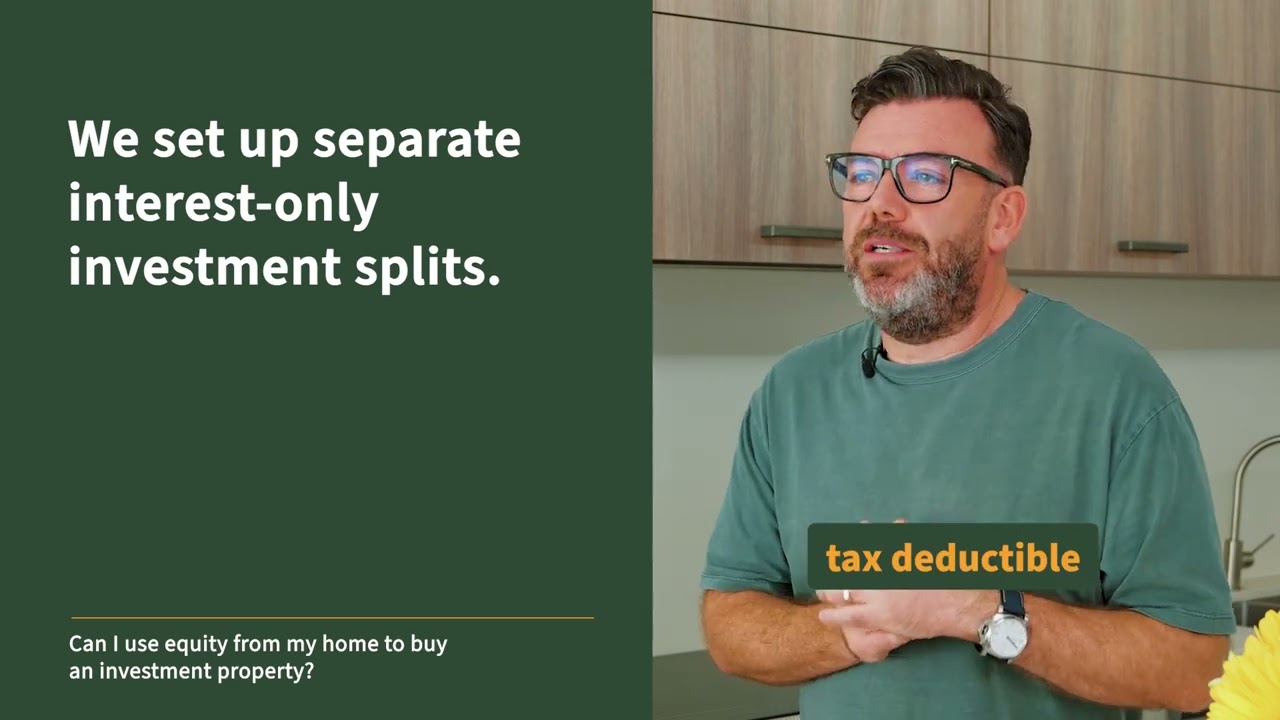
Yes — releasing equity from your home is one of the most common ways our clients fund a deposit without saving one from scratch. Done properly, it keeps your loans cleanly separated for tax purposes and sets you up to repeat the process on the next purchase.
Should I pay interest-only or principal-and-interest?
+
 ▶ Watch Neil answer this
It depends on your cash flow priorities and overall strategy. Interest-only maximises cash flow and is common during a build or early hold phase; principal-and-interest builds equity and usually gets a sharper rate. We'll model both against your goals — there's no one-size-fits-all answer.
How do I cover the interest during the construction of my granny flat or dual occupancy?
+
 ▶ Watch Neil answer this
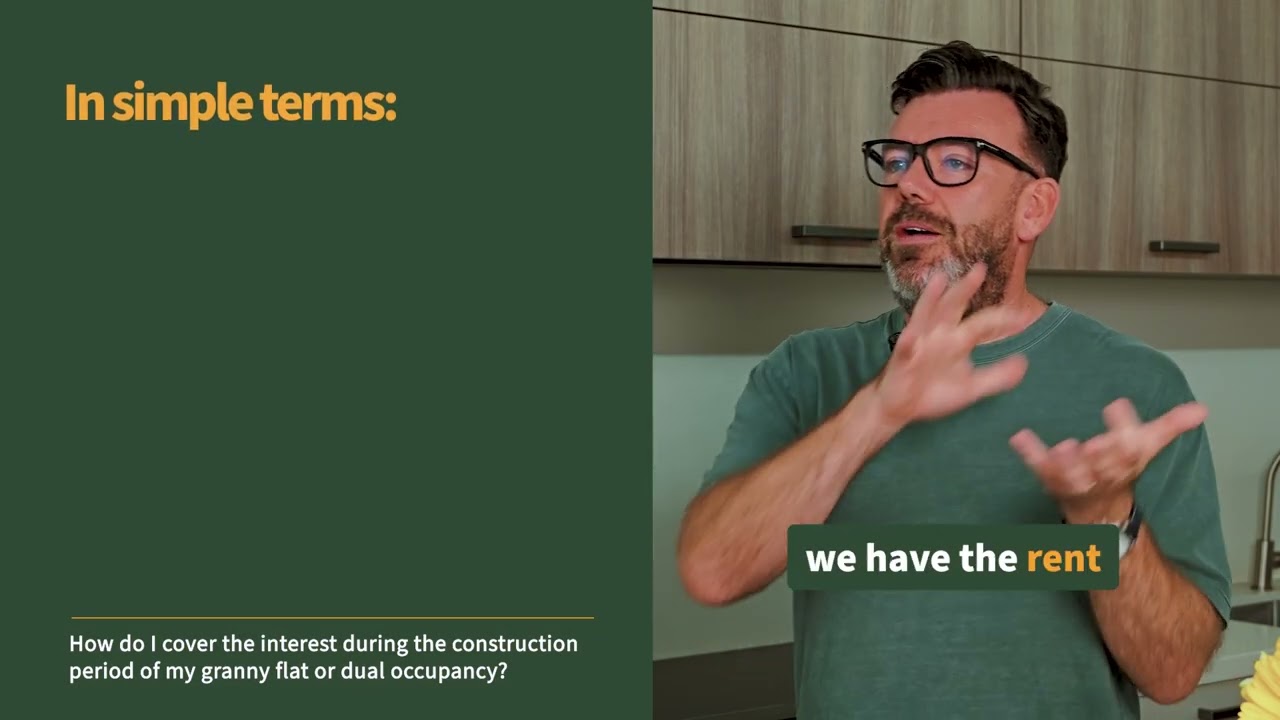
Construction loans draw down progressively, so you only pay interest on what's been drawn — and rent from the existing house often continues through the build. We factor holding costs into every feasibility so there are no surprises between settlement and completion.
Should I buy property in a trust or personal name?
+
 ▶ Watch Neil answer this
Structures affect borrowing power, tax, land tax and asset protection — and the right answer is personal. Company and trust structures are a key part of how our clients keep buying beyond the usual borrowing ceiling, but you should confirm the structure with your accountant before purchase. We work alongside them.
How do I get approved for a loan if I'm self-employed?
+
 ▶ Watch Neil answer this
Self-employed borrowers have more options than most realise — from full-doc loans using two years of financials to alt-doc policies for newer businesses. Lender choice matters far more when you're self-employed, which is where experienced investment-focused credit advice earns its keep.
Choosing the right suburb
Where you buy matters as much as what you buy.
How do I choose the right suburb to invest in?
+
 ▶ Watch Neil answer this
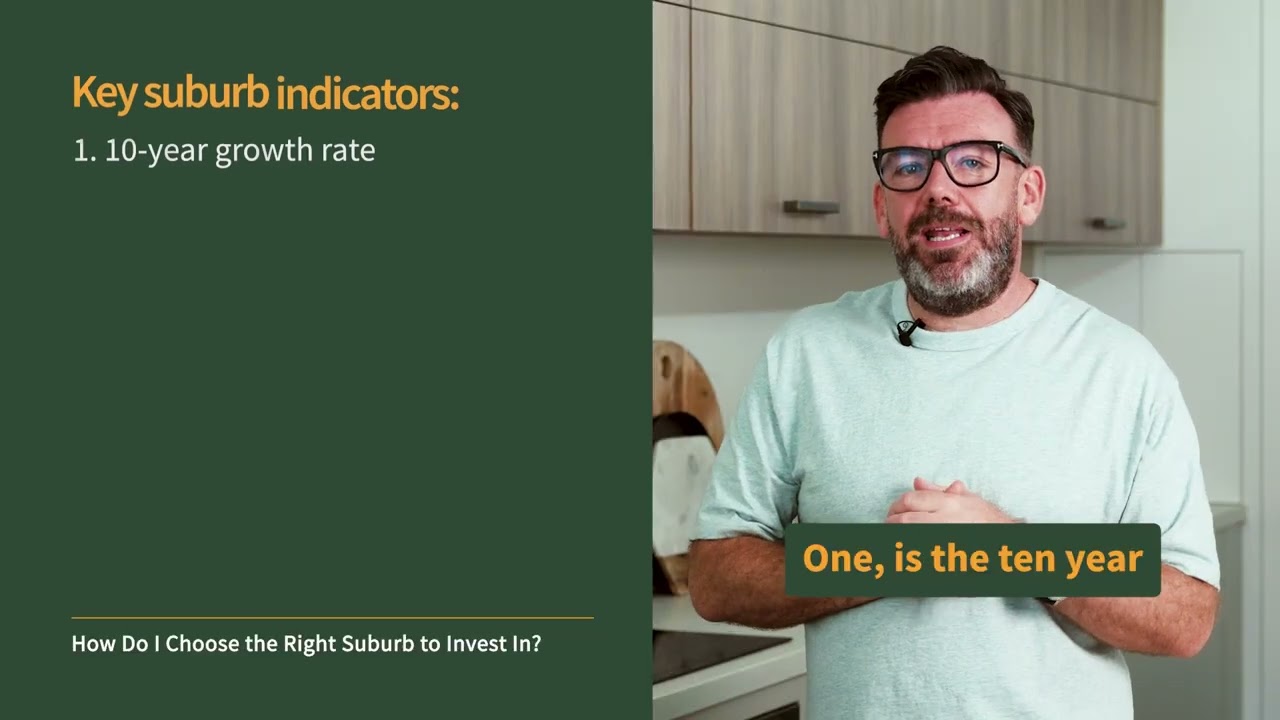
We look for genuine demand drivers: population growth, government infrastructure investment, employment, tight vacancy rates and rental demand — then overlay the planning rules to find suburbs where ordinary blocks have development potential. Data first, opinions second.
Should I buy in an area with lots of renters?
+
 ▶ Watch Neil answer this
Strong rental demand is essential, but the healthiest markets usually have a balance of owner-occupiers and renters. Owner-occupiers support price growth and neighbourhood quality; renters support your income. Very high renter concentrations can signal oversupply — we check vacancy rates and stock on market before recommending anywhere.
Are there red flags to look for when choosing a suburb?
+
 ▶ Watch Neil answer this
Yes: oversupply of new stock (especially units and house-and-land estates), reliance on a single employer or industry, rising vacancy rates, declining population, and long days-on-market. Any of these can undermine both growth and cash flow — and they're all measurable before you buy.
Choosing the right property
Filtering hundreds of listings down to the one worth buying.
How do I know if a property is in a good location?
+
 ▶ Watch Neil answer this
Within a good suburb, the street and position still matter: proximity to shops, schools and transport, quiet streets over main roads, flat usable land, and no negative neighbours (industrial sites, flood channels, power infrastructure). For development sites, orientation, frontage and services access also drive what you can build.
What are the red flags to look for when choosing a property? — Part 1
+
 ▶ Watch Neil answer this
Structural issues and major defects, flood or bushfire exposure, and easements or sewer mains in the wrong place. Any of these can quietly derail a purchase or a development — and all are checkable before you buy.
What are the red flags to look for when choosing a property? — Part 2
+
 ▶ Watch Neil answer this
Illegal or unapproved works, strata or title complications, and properties priced on emotion rather than comparable sales. Paperwork problems are as costly as physical ones.
What are the red flags to look for when choosing a property? — Part 3
+
 ▶ Watch Neil answer this
For development sites: slope, drainage, access constraints and service positions. Our due diligence checklist covers all of these before we ever recommend a site.
How do I know if I'm paying the right price for a property?
+
 ▶ Watch Neil answer this
Recent comparable sales — genuinely comparable ones — are the anchor, adjusted for land size, condition and position, and sanity-checked against current market direction. As buyers agents we do this on every purchase, and we never let a client rely on the agent's price guide alone.
Should I use a buyers agent?
+
 ▶ Watch Neil answer this
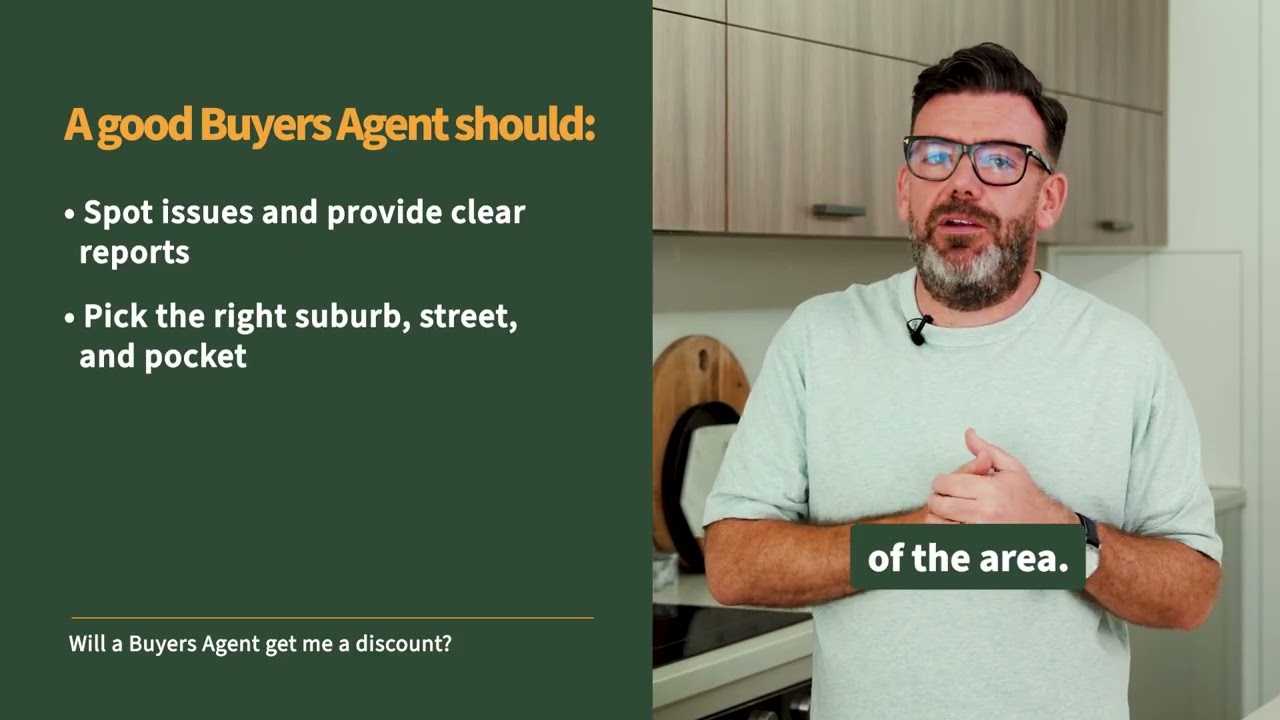
If you have the time, market knowledge and negotiating experience, you can do it yourself. A good buyers agent earns their fee through access to off-market stock, sharper pricing, avoided mistakes and speed — and in our case, through finding development potential that most buyers (and many agents) don't see.
Will a buyers agent get me a discount?
+
 ▶ Watch Neil answer this
Sometimes — but the bigger value is buying the right property at a fair price rather than the wrong one cheaply. That said, negotiation, off-market access and knowing a vendor's real position regularly save our clients more than our fee.
Bring it to a free, no-obligation strategy call — or watch Neil answer these in more depth in our video library.
Let's find your next high-performing property.
Book a free, no-obligation strategy call. In 30 minutes we'll show you how the planning reforms across NSW, ACT and QLD could work for your budget and goals.